Elegant Formal Dresses for Women: Classic to Modern Designs
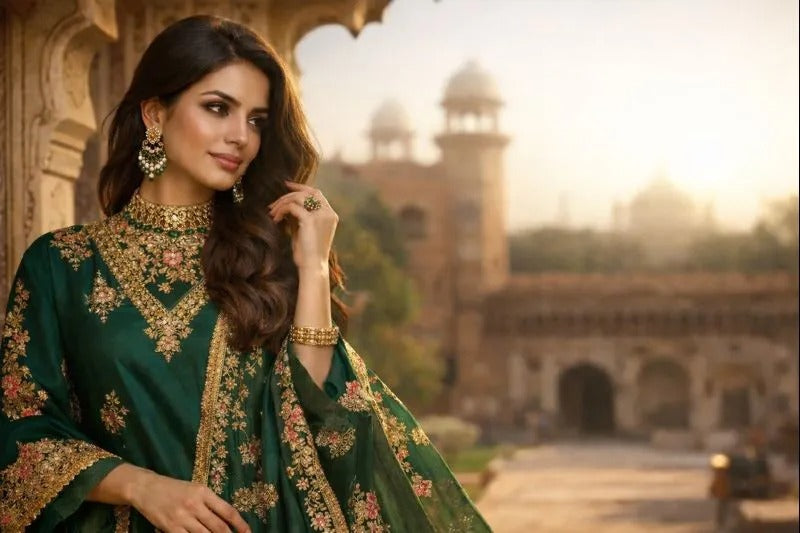
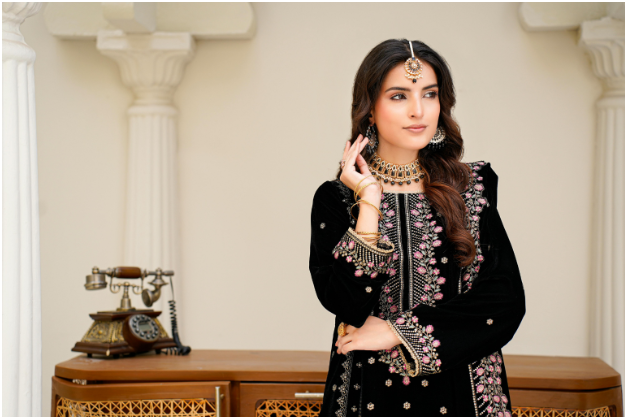
The world of formal wear can be a complex landscape of dress codes, silhouettes, and fabrics. Choosing the perfect formal dresses for women requires an understanding of the occasion, the time of day, and the specific event requirements.
A well-chosen formal dress is a statement of elegance and respect for the host. This guide will help you navigate the nuances of formal attire, ensuring you are impeccably dressed for any grand event.
Decoding the Formal Dress Codes
The first step in selecting formal dresses for women is understanding the invitation's dress code. Each code dictates the required length, fabric, and overall level of glamour, leaving little room for misinterpretation.
Adhering to the dress code is a sign of good etiquette and ensures you feel comfortable and appropriate throughout the event.
Black Tie and White Tie
White Tie is the most formal of all dress codes, requiring a full-length ball gown. The dress should be dramatic, luxurious, and paired with long gloves and sophisticated jewelry.
Black Tie is slightly less rigid, calling for a floor-length evening gown. While a sophisticated cocktail dress that falls below the knee may be acceptable in some modern settings, a full-length gown remains the safest and most traditional choice [1].
Formal and Cocktail Attire
Formal Attire often sits between Black Tie and Cocktail. It typically means a floor-length gown, but a highly elegant, sophisticated tea-length or midi dress in a luxurious fabric may also be appropriate.
Cocktail Attire is less formal, calling for a dress that falls at or below the knee. This is where you can introduce more color, pattern, and playful silhouettes, though the fabric should still be high-quality.
Dress Code Intent: Length and Formality
|
Dress Code |
Required Length |
Formality Level |
Appropriate Fabrics |
|---|---|---|---|
|
White Tie |
Floor-Length Ball Gown |
Highest |
Silk, Velvet, Taffeta, Organza |
|
Black Tie |
Floor-Length Evening Gown |
High |
Satin, Chiffon, Lace, Brocade |
|
Formal Attire |
Floor-Length or Elegant Midi/Tea-Length |
Medium-High |
Crepe, Heavy Silk, Tulle |
|
Cocktail Attire |
Knee-Length or Midi |
Medium |
Brocade, Sequins, Fine Jersey, Lace |
The Perfect Silhouette for Formal Dresses for Women
The silhouette of a dress is its shape and structure, which plays a crucial role in complementing your body type and the formality of the event. Understanding the main silhouettes is key to finding the most flattering formal dresses for women.
The A-Line and Ball Gown
The A-Line silhouette is universally flattering, fitted at the shoulders and gradually widening towards the hem, resembling the letter 'A'. It is a classic choice for almost any formal occasion.
The Ball Gown is the most dramatic silhouette, featuring a fitted bodice and a voluminous skirt supported by layers of tulle or crinoline. It is reserved for the most formal events, such as White Tie or grand galas.
Sheath and Trumpet
The Sheath silhouette is a sleek, form-fitting style that follows the natural line of the body. It is a sophisticated choice for Black Tie events, particularly when crafted from luxurious fabrics like silk or velvet.
The Trumpet (or Mermaid) silhouette is fitted through the bodice and hips, flaring out dramatically from the knee. This style is highly glamorous and best suited for confident wearers at high-profile events.
Formal Dress Silhouettes and Body Types
Choosing a silhouette that flatters your figure enhances the overall elegance of your formal dresses for women.
|
Silhouette |
Description |
Best Suited For |
Occasion Suitability |
|---|---|---|---|
|
A-Line |
Fitted at the shoulders, flares gently to the hem. |
All body types; creates a balanced look. |
Versatile: Black Tie, Formal, Cocktail. |
|
Ball Gown |
Fitted bodice with a full, voluminous skirt. |
Pear and Hourglass shapes; emphasizes the waist. |
Most Formal: White Tie, Grand Gala. |
|
Sheath |
Slim, straight cut that follows the body's natural line. |
Petite and Slim figures; highlights a slender frame. |
Sophisticated: Black Tie, Formal Dinner. |
|
Trumpet/Mermaid |
Fitted to the knee, then flares dramatically. |
Hourglass and Tall figures; highlights curves. |
Glamorous: Red Carpet, High-Profile Events. |
Fabric and Embellishment: The Touch of Luxury
The fabric choice is what elevates a dress from casual to formal. Luxurious materials not only look elegant but also drape beautifully, giving the dress its structure and movement.
Key Formal Fabrics
Silk and Satin are perennial favorites for formal dresses for women due to their lustrous finish and fluid drape. Silk is a natural fiber, while satin refers to the weave, which can be made from silk or synthetic fibers.
Velvet is a rich, heavy fabric best suited for winter or evening events, offering a deep, luxurious texture. Chiffon and Tulle are light, sheer fabrics used for layering and creating soft, flowing skirts.
Embellishments and Detailing
Embellishments should be chosen to match the formality of the event. For Black Tie, subtle beading, fine lace overlays, or delicate embroidery are appropriate.
For less formal events, you can incorporate bolder elements like sequins, metallic threading, or structured ruffles. Remember that less is often more when it comes to true formal elegance.
Styling Your Formal Dresses for Women
The perfect dress is only half the battle; the right accessories, hair, and makeup complete the formal look. Styling should enhance the dress, not compete with it.
Accessories and Jewelry
For highly formal events, jewelry should be classic and elegant. Think diamond or pearl studs, a single statement necklace, or a sophisticated bracelet. Avoid overly trendy or chunky pieces.
A small clutch is essential, ideally one that is metallic or beaded. Avoid large handbags, as they detract from the formality of the gown.
Hair and Makeup
Your hairstyle should be neat and polished. An updo is traditional for Black Tie and White Tie events, while soft waves or a sleek blowout can work for less formal occasions.
Makeup should be sophisticated and long-lasting. Focus on a flawless base, a defined eye, or a classic red lip, but rarely both.
FAQs
What are the best fabrics for formal dresses for women?
Silk, chiffon, satin, and velvet are among the best fabrics due to their elegant appearance and comfort.
Can formal dresses for women be worn to office events?
Yes, simple and structured formal dresses are ideal for office and corporate events.
How do I choose the right size in formal dresses for women?
Always check the size guide and focus on fit around shoulders, waist, and length for the best results.
Are embellished formal dresses suitable for daytime events?
Light embellishments can work for daytime events, while heavier designs are better for evenings.
Final Thoughts
Formal dresses for women are a timeless fashion choice that combines elegance with versatility. By choosing the right style, fabric, and fit, you can create a sophisticated look for any formal occasion.
With thoughtful selection and proper styling with Mahnoorazher, formal dresses for women can become your go-to outfits for making confident and stylish statements.